Descriptive Adjectives: Painting a Picture of Your Campus
Descriptive adjectives are crucial for vividly portraying the unique characteristics of a campus. They allow us to move beyond simple labels and create a rich, detailed image in the minds of our audience.
Mastering the use of these adjectives enhances both written and spoken communication, making descriptions more engaging and informative. This article will explore various types of descriptive adjectives, their proper usage, common mistakes to avoid, and provide ample practice opportunities.
Whether you are a student, prospective applicant, or simply someone interested in campus life, this guide will equip you with the tools to describe campuses with precision and flair.
Understanding how to effectively use descriptive adjectives not only improves your grammar but also elevates your ability to persuade and connect with others. This guide is designed to benefit students, teachers, writers, and anyone who wants to enhance their descriptive language skills.
By the end of this article, you will be able to confidently and accurately describe any campus, capturing its unique atmosphere and features.
Table of Contents
- Definition of Descriptive Adjectives
- Structural Breakdown of Descriptive Adjectives
- Types and Categories of Descriptive Adjectives
- Examples of Descriptive Adjectives for Campus
- Usage Rules for Descriptive Adjectives
- Common Mistakes with Descriptive Adjectives
- Practice Exercises
- Advanced Topics
- Frequently Asked Questions
- Conclusion
Definition of Descriptive Adjectives
Descriptive adjectives are words that modify nouns or pronouns by providing specific details about their qualities, characteristics, or features. They add depth and specificity to our language, allowing us to create vivid and detailed descriptions.
These adjectives answer questions like “What kind?”, “Which one?”, or “How many?” about the noun they modify.
The primary function of a descriptive adjective is to enhance the reader’s or listener’s understanding of the noun. They paint a clearer picture by highlighting attributes such as size, color, shape, age, condition, origin, and more.
Descriptive adjectives are essential for effective communication because they allow us to differentiate between similar items and convey precise information.
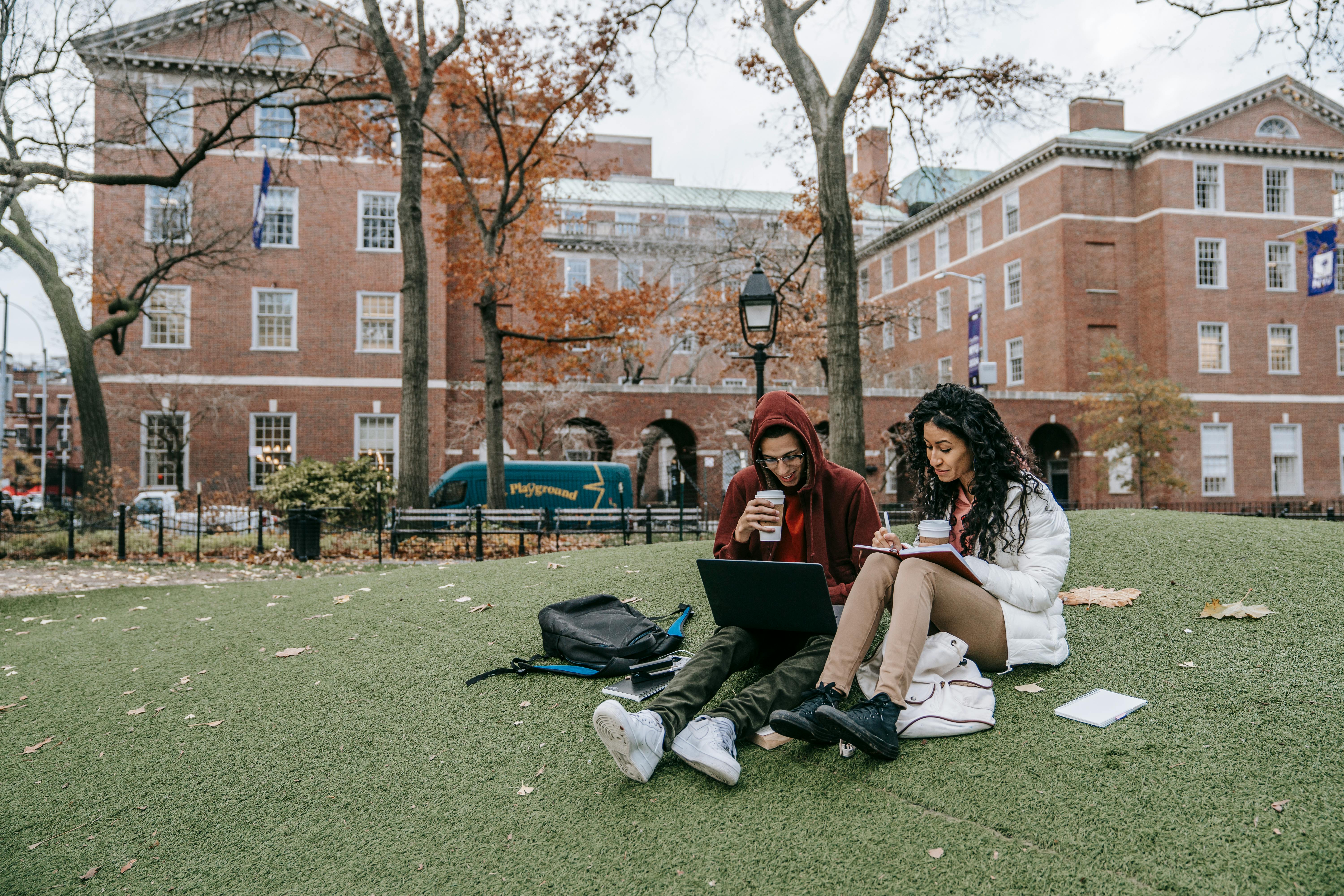
In the context of describing a campus, descriptive adjectives can bring to life the unique qualities of the environment. For instance, instead of simply saying “the building,” we can say “the historic building” or “the modern building,” providing a clearer sense of its character. These adjectives help create a more engaging and informative description, whether you’re writing a college brochure or sharing your campus experience with a friend.
Structural Breakdown of Descriptive Adjectives
Descriptive adjectives typically precede the noun they modify. This is the most common structure in English, ensuring clarity and ease of understanding. For example, “the sprawling campus” or “the beautiful library.” However, adjectives can also follow a linking verb (such as is, are, was, were, seems, appears, becomes), where they describe the subject of the sentence.
The order of adjectives can also be important, especially when multiple adjectives are used to describe the same noun. Generally, adjectives follow a specific order: opinion, size, age, shape, color, origin, material, and purpose. This order helps to maintain clarity and avoid awkward phrasing. For example, “a beautiful large old brick building” sounds more natural than “a brick old large beautiful building.”
Adjectives can also be modified by adverbs to further refine their meaning. For example, “an extremely modern building” or “a slightly rundown dorm.” Adverbs add nuance and precision to the description, allowing for a more detailed and accurate portrayal of the subject. Understanding these structural aspects is crucial for using descriptive adjectives effectively and creating compelling descriptions.
Types and Categories of Descriptive Adjectives
Descriptive adjectives can be categorized based on the types of qualities they describe. Understanding these categories can help you choose the most appropriate adjectives to convey your intended meaning.
Here are some common categories of descriptive adjectives:
Adjectives of Size and Shape
These adjectives describe the physical dimensions and form of a noun. They provide information about how big or small something is, as well as its overall shape.
Examples include:
- Large
- Small
- Tall
- Short
- Wide
- Narrow
- Round
- Square
- Rectangular
- Sprawling
- Compact
Adjectives of Age and Condition
These adjectives describe how old something is and its current state of repair or maintenance. They can convey a sense of history, modernity, or neglect.
Examples include:
- Old
- New
- Ancient
- Modern
- Historic
- Well-maintained
- Rundown
- Dilapidated
- Renovated
- State-of-the-art
Adjectives of Color
These adjectives describe the visual appearance of a noun, adding vibrancy and detail to the description. Examples include:
- Red
- Blue
- Green
- Yellow
- White
- Black
- Gray
- Brown
- Colorful
- Vibrant
- Muted
Adjectives of Origin and Material
These adjectives describe where something comes from or what it is made of. They provide information about the noun’s background and composition.
Examples include:
- American
- European
- Wooden
- Brick
- Stone
- Metal
- Concrete
- Glass
- Traditional
- Local
Adjectives of Atmosphere and Feeling
These adjectives describe the overall mood or feeling associated with a noun. They help to create a sense of place and evoke emotions in the reader or listener.
Examples include:
- Lively
- Peaceful
- Bustling
- Quiet
- Friendly
- Welcoming
- Academic
- Inspiring
- Prestigious
- Vibrant
Examples of Descriptive Adjectives for Campus
The following tables provide examples of descriptive adjectives used in the context of describing a campus. These examples are organized by category to illustrate how different types of adjectives can be used to create a comprehensive and engaging description.
Table 1: Adjectives of Size and Shape
This table showcases how adjectives that describe size and shape can be used to paint a more vivid picture of various campus features. These adjectives help the reader understand the physical dimensions and form of the buildings, grounds, and other elements of the campus.
| Noun | Adjective | Example Sentence |
|---|---|---|
| Campus | Sprawling | The sprawling campus covers hundreds of acres. |
| Buildings | Tall | The tall buildings dominate the skyline. |
| Dorms | Compact | The compact dorms are efficiently designed. |
| Library | Large | The large library houses a vast collection of books. |
| Quad | Wide | The wide quad is perfect for outdoor activities. |
| Pathways | Narrow | The narrow pathways wind through the gardens. |
| Courtyard | Circular | The circular courtyard provides a peaceful retreat. |
| Field | Extensive | The extensive field is used for sports and recreation. |
| Auditorium | Vast | The vast auditorium can accommodate thousands of people. |
| Classrooms | Small | The small classrooms encourage intimate discussions. |
| Gymnasium | Expansive | The expansive gymnasium offers a variety of fitness options. |
| Stadium | Imposing | The imposing stadium is a landmark of the university. |
| Gardens | Extensive | The extensive gardens are meticulously maintained. |
| Pond | Round | The round pond is home to a variety of wildlife. |
| Statue | Towering | The towering statue commemorates the university’s founder. |
| Hallways | Long | The long hallways connect different parts of the building. |
| Terrace | Spacious | The spacious terrace offers stunning views of the campus. |
| Cafe | Cozy | The cozy cafe is a popular spot for students to relax. |
| Bookstore | Sizeable | The sizeable bookstore offers a wide selection of textbooks and merchandise. |
| Museum | Grand | The grand museum houses a collection of historical artifacts. |
| Park | Immense | The immense park provides ample green space for recreation. |
Table 2: Adjectives of Age and Condition
This table illustrates how adjectives that describe age and condition can add depth and character to a campus description. These adjectives provide insights into the history, maintenance, and overall state of the buildings and grounds.
| Noun | Adjective | Example Sentence |
|---|---|---|
| Buildings | Historic | The historic buildings have been carefully preserved. |
| Dorms | Modern | The modern dorms offer comfortable living spaces. |
| Library | Old | The old library is filled with antique books. |
| Campus | Well-maintained | The well-maintained campus is a source of pride. |
| Classrooms | Renovated | The renovated classrooms feature updated technology. |
| Laboratories | State-of-the-art | The state-of-the-art laboratories are equipped for advanced research. |
| Theater | Ancient | The ancient theater has hosted countless performances. |
| Cafeteria | Outdated | The outdated cafeteria is scheduled for renovation. |
| Gym | New | The new gym offers the latest fitness equipment. |
| Infrastructure | Aging | The aging infrastructure requires significant upgrades. |
| Monument | Timeless | The timeless monument stands as a symbol of the university’s legacy. |
| Gardens | Lush | The lush gardens are a testament to the dedication of the groundskeepers. |
| Statues | Weathered | The weathered statues bear the marks of time. |
| Fountains | Restored | The restored fountains add to the campus’s charm. |
| Artwork | Contemporary | The contemporary artwork reflects the university’s forward-thinking approach. |
| Residences | Updated | The updated residences provide modern amenities for students. |
| Lecture Halls | Modernized | The modernized lecture halls enhance the learning experience. |
| Facilities | Advanced | The advanced facilities support cutting-edge research. |
| Grounds | Immaculate | The immaculate grounds showcase the university’s commitment to excellence. |
| Buildings | Classic | The classic buildings evoke a sense of tradition and history. |
| Campus | Up-to-date | The up-to-date campus offers students the resources they need to succeed. |
Table 3: Adjectives of Color
This table demonstrates how adjectives describing color can be used to create a visually appealing and descriptive portrayal of a campus. Color adjectives can highlight specific features and enhance the overall sensory experience of the description.
| Noun | Adjective | Example Sentence |
|---|---|---|
| Buildings | Red-brick | The red-brick buildings are a distinctive feature of the campus. |
| Gardens | Green | The green gardens provide a tranquil escape. |
| Flowers | Colorful | The colorful flowers brighten up the campus. |
| Sky | Blue | The blue sky contrasts beautifully with the campus architecture. |
| Roofs | Gray | The gray roofs add a touch of sophistication. |
| Trees | Golden | The golden trees signal the arrival of autumn. |
| Fountains | White | The white fountains stand out against the green lawns. |
| Doors | Wooden | The wooden doors give the buildings a rustic charm. |
| Flags | Vibrant | The vibrant flags represent the diverse student body. |
| Murals | Multicolor | The multicolor murals add an artistic flair to the campus. |
| Lawns | Emerald | The emerald lawns are meticulously maintained. |
| Pathways | Brown | The brown pathways wind through the campus. |
| Statues | Bronze | The bronze statues commemorate important figures. |
| Banners | Crimson | The crimson banners represent the university’s colors. |
| Walls | Ivory | The ivory walls provide a neutral backdrop for artwork. |
| Entrances | Navy | The navy entrances add a touch of elegance. |
| Courtyards | Pastel | The pastel courtyards create a serene atmosphere. |
| Arches | Stone | The stone arches frame picturesque views. |
| Gates | Iron | The iron gates mark the entrance to the historic campus. |
| Building facades | Beige | The beige building facades blend harmoniously with the surroundings. |
| Campus | Floral | The floral campus is a feast for the eyes. |
Table 4: Adjectives of Atmosphere and Feeling
This table focuses on adjectives that evoke a sense of atmosphere and feeling, helping to convey the overall vibe of the campus. These adjectives can make the description more engaging and emotionally resonant.
| Noun | Adjective | Example Sentence |
|---|---|---|
| Campus | Lively | The lively campus is always buzzing with activity. |
| Library | Quiet | The quiet library is perfect for studying. |
| Community | Friendly | The friendly community makes students feel welcome. |
| Environment | Academic | The academic environment encourages intellectual growth. |
| Atmosphere | Inspiring | The inspiring atmosphere motivates students to excel. |
| University | Prestigious | The prestigious university attracts top students. |
| Quad | Peaceful | The peaceful quad is a great place to relax. |
| Dorms | Comfortable | The comfortable dorms provide a home away from home. |
| Campus | Welcoming | The welcoming campus makes everyone feel at ease. |
| Student life | Vibrant | The vibrant student life offers a wide range of activities. |
| Environment | Stimulating | The stimulating environment fosters creativity and innovation. |
| Campus | Dynamic | The dynamic campus is constantly evolving. |
| 분위기 (Atmosphere) | 전통적인 (Traditional) | 전통적인 분위기의 캠퍼스는 역사적인 매력을 더합니다. (The traditional atmosphere of the campus adds historical charm.) |
| 환경 (Environment) | 혁신적인 (Innovative) | 혁신적인 환경은 학생들의 창의성을 자극합니다. (The innovative environment stimulates students’ creativity.) |
| 대학 (University) | 명망있는 (Renowned) | 명망있는 대학은 우수한 교수진과 연구 시설을 자랑합니다. (The renowned university boasts excellent faculty and research facilities.) |
| 기숙사 (Dormitory) | 편안한 (Comfortable) | 편안한 기숙사는 학생들이 학업에 집중할 수 있도록 돕습니다. (The comfortable dormitory helps students focus on their studies.) |
| 도서관 (Library) | 조용한 (Quiet) | 조용한 도서관은 학생들이 집중하여 공부할 수 있는 최적의 장소입니다. (The quiet library is the perfect place for students to study attentively.) |
| 캠퍼스 (Campus) | 활기찬 (Vibrant) | 활기찬 캠퍼스는 다양한 행사와 활동으로 가득합니다. (The vibrant campus is full of various events and activities.) |
| 분위기 (Atmosphere) | 따뜻한 (Warm) | 따뜻한 분위기는 학생들이 서로를 지지하고 격려합니다. (The warm atmosphere encourages students to support and encourage each other.) |
| 학습환경 (Learning environment) | 자극적인 (Stimulating) | 자극적인 학습환경은 학생들의 지적 호기심을 자극합니다. (The stimulating learning environment stimulates students’ intellectual curiosity.) |
| 캠퍼스 (Campus) | 포용적인 (Inclusive) | 포용적인 캠퍼스는 모든 학생들을 환영합니다. (The inclusive campus welcomes all students.) |
Table 5: Adjectives of Origin and Material
This table provides examples of adjectives that describe the origin or material of campus features, adding historical and contextual depth to the descriptions.
| Noun | Adjective | Example Sentence |
|---|---|---|
| Buildings | Brick | The brick buildings are a classic example of collegiate architecture. |
| Statues | Bronze | The bronze statues commemorate the university’s founders. |
| Furniture | Wooden | The wooden furniture adds a traditional touch to the library. |
| Walls | Stone | The stone walls have stood for over a century. |
| Structures | Victorian | The Victorian structures reflect the university’s rich history. |
| Gates | Iron | The iron gates mark the entrance to the historic campus. |
| Pavilion | Colonial | The colonial pavilion is a popular gathering spot. |
| Campus | American | The American campus reflects the nation’s educational values. |
| Architecture | Gothic | The Gothic architecture lends an air of grandeur to the campus. |
| Pathway | Cobblestone | The cobblestone pathway leads to the oldest building on campus. |
| Materials | Sustainable | The sustainable materials used in construction reflect the university’s commitment to environmental responsibility. |
| Design | Modernist | The modernist design of the new building is a stark contrast to the older architecture. |
| Art | Indigenous | The indigenous art reflects the cultural heritage of the region. |
| Crafts | Local | The local crafts are sold at the campus market. |
| Landscaping | Japanese | The Japanese landscaping creates a serene environment. |
| Gardens | Botanical | The botanical gardens showcase a diverse collection of plants. |
| Style | Rustic | The rustic style of the cabins creates a cozy atmosphere. |
| Building | Glass | The glass building offers panoramic views of the city. |
| Elements | Traditional | The traditional elements are incorporated into the modern design. |
| Campus | International | The international campus welcomes students from around the world. |
| Design | Contemporary | The contemporary design of the student union building fosters community engagement. |
Usage Rules for Descriptive Adjectives
Using descriptive adjectives correctly involves understanding their placement, order, and agreement with the nouns they modify. Here are some key rules to follow:
- Placement: Descriptive adjectives usually come before the noun they modify. For example, “the beautiful campus.” However, when used after a linking verb, they describe the subject of the sentence. For example, “The campus is beautiful.”
- Order: When using multiple adjectives, follow the general order: opinion, size, age, shape, color, origin, material, and purpose. For example, “a lovely large old brick building.”
- Agreement: Adjectives in English do not change form to agree with the noun’s number or gender. The adjective remains the same regardless of whether the noun is singular or plural. For example, “a tall building” and “tall buildings.”
- Use of Commas: Use commas to separate coordinate adjectives—adjectives that independently modify the noun and can be rearranged without changing the meaning. For example, “a beautiful, historic campus.” If the adjectives are not coordinate, do not use a comma. For example, “a large brick building.”
- Definite and Indefinite Articles: Use “a” or “an” before adjectives that modify singular, countable nouns, depending on the sound of the adjective. Use “the” when referring to a specific noun. For example, “a historic building” and “the beautiful campus.”
Common Mistakes with Descriptive Adjectives
Even experienced English speakers sometimes make mistakes with descriptive adjectives. Here are some common errors to avoid:
- Incorrect Order of Adjectives: Placing adjectives in the wrong order can sound awkward and unnatural. Incorrect: “a brick old large building.” Correct: “a large old brick building.”
- Missing Commas Between Coordinate Adjectives: Forgetting to use commas between coordinate adjectives can make the sentence confusing. Incorrect: “a beautiful historic campus.” Correct: “a beautiful, historic campus.”
- Using Adjectives as Adverbs: Using an adjective instead of an adverb to modify a verb. Incorrect: “The campus looks beautifully.” Correct: “The campus looks beautiful.”
- Incorrect Use of Articles: Using the wrong article (“a,” “an,” or “the”) or omitting it altogether. Incorrect: “historic building.” Correct: “a historic building.” Incorrect: “I visited beautiful campus.” Correct: “I visited the beautiful campus.”
- Redundancy: Using adjectives that have similar meanings. Incorrect: “a large, big campus.” Correct: “a large campus.”
Practice Exercises
Test your understanding of descriptive adjectives with these practice exercises. Choose the best adjective to complete each sentence, or correct the sentences with errors.
Exercise 1: Choosing the Correct Adjective
Choose the best adjective from the options provided to complete each sentence. Answers are provided in the table below.
| Question | Options | Answer |
|---|---|---|
| 1. The campus has a very ________ atmosphere, perfect for studying. | (a) noisy (b) quiet (c) crowded | (b) quiet |
| 2. The ________ buildings are a testament to the university’s long history. | (a) modern (b) new (c) historic | (c) historic |
| 3. The ________ gardens provide a peaceful escape from the hustle and bustle of campus life. | (a) green (b) gray (c) brown | (a) green |
| 4. The university is known for its ________ research facilities. | (a) outdated (b) state-of-the-art (c) old | (b) state-of-the-art |
| 5. The ________ dorms offer students a comfortable and convenient living space. | (a) small (b) spacious (c) tiny | (b) spacious |
| 6. The ________ campus is always buzzing with student activity. | (a) lively (b) deserted (c) still | (a) lively |
| 7. The ________ library houses a vast collection of books and resources. | (a) diminutive (b) large (c) limited | (b) large |
| 8. The ________ pathways wind through the campus, connecting different buildings. | (a) wide (b) narrow (c) broad | (b) narrow |
| 9. The ________ architecture gives the campus a distinctive look. | (a) modern (b) gothic (c) futuristic | (b) gothic |
| 10. The ________ community makes new students feel welcome and supported. | (a) unfriendly (b) hostile (c) friendly | (c) friendly |
Exercise 2: Correcting Sentences with Adjective Errors
Identify and correct the errors in the following sentences. Answers are provided in the table below.
| Question | Corrected Sentence |
|---|---|
| 1. The campus looks beautifully, especially in the spring. | The campus looks beautiful, especially in the spring. |
| 2. It was a old, brick large building. | It was a large, old brick building. |
| 3. I visited historic campus last week. | I visited the historic campus last week. |
| 4. The library is a quiet, peaceful and good place to study. | The library is a quiet, peaceful, and good place to study. |
| 5. The students are excited about new state-of-art facilities. | The students are excited about the new state-of-the-art facilities. |
| 6. The campus is big and sprawling. | The campus is big and sprawling. (No correction needed) |
| 7. It’s a wooden ancient door. | It’s an ancient wooden door. |
| 8. The atmosphere is very inspire. | The atmosphere is very inspiring. |
| 9. They built a modern, new building. | They built a modern building. |
| 10. The university offers good academic programs. | The university offers good academic programs. (No correction needed) |
Advanced Topics
For advanced learners, exploring more nuanced aspects of descriptive adjectives can further enhance their language skills. Here are some advanced topics to consider:
- Figurative Language: Using adjectives in metaphors and similes to create vivid and imaginative descriptions. For example, “The campus was a verdant oasis in the middle of the city.”
- Subjective vs. Objective Adjectives: Understanding the difference between adjectives that express personal opinions (subjective) and those that describe factual qualities (objective). Subjective adjectives include words like “beautiful,” “amazing,” and “terrible,” while objective adjectives include words like “large,” “red,” and “wooden.”
- Intensifiers: Using adverbs to intensify the meaning of adjectives. For example, “an extremely beautiful campus” or “a very historic building.”
- Participial Adjectives: Using participles (verb forms ending in -ing or -ed) as adjectives. For example, “a challenging course” or “a renovated building.”
- Compound Adjectives: Creating compound adjectives by combining two or more words, often hyphenated. For example, “a state-of-the-art laboratory” or “a well-maintained campus.”
Frequently Asked Questions
Here are some frequently asked questions about descriptive adjectives:
- What is the
definition of a descriptive adjective?
A descriptive adjective is a word that describes a noun, providing details about its qualities, characteristics, or features. It helps to paint a clearer picture of the noun.
- How do I use multiple adjectives in a sentence?
When using multiple adjectives, follow the general order: opinion, size, age, shape, color, origin, material, and purpose. Separate coordinate adjectives with commas.
- What are some common mistakes to avoid when using descriptive adjectives?
Common mistakes include incorrect order of adjectives, missing commas between coordinate adjectives, using adjectives as adverbs, and incorrect use of articles.
- How can I improve my use of descriptive adjectives?
Practice using different types of adjectives, pay attention to their placement and order, and avoid common mistakes. Reading widely and paying attention to how authors use descriptive adjectives can also help.
- Are there any resources for learning more about descriptive adjectives?
Yes, there are many grammar guides, online resources, and writing workshops that can help you learn more about descriptive adjectives. Additionally, analyzing well-written texts can provide valuable insights.
Conclusion
Mastering the use of descriptive adjectives is essential for creating vivid and engaging descriptions of campuses. By understanding the different types of adjectives, following usage rules, and avoiding common mistakes, you can effectively communicate the unique qualities of any campus.
Whether you are writing a college brochure, sharing your campus experience, or simply enhancing your descriptive language skills, a strong command of descriptive adjectives will help you paint a picture that resonates with your audience. Practice the exercises provided, explore advanced topics, and continue to refine your skills to become a more effective and compelling communicator.